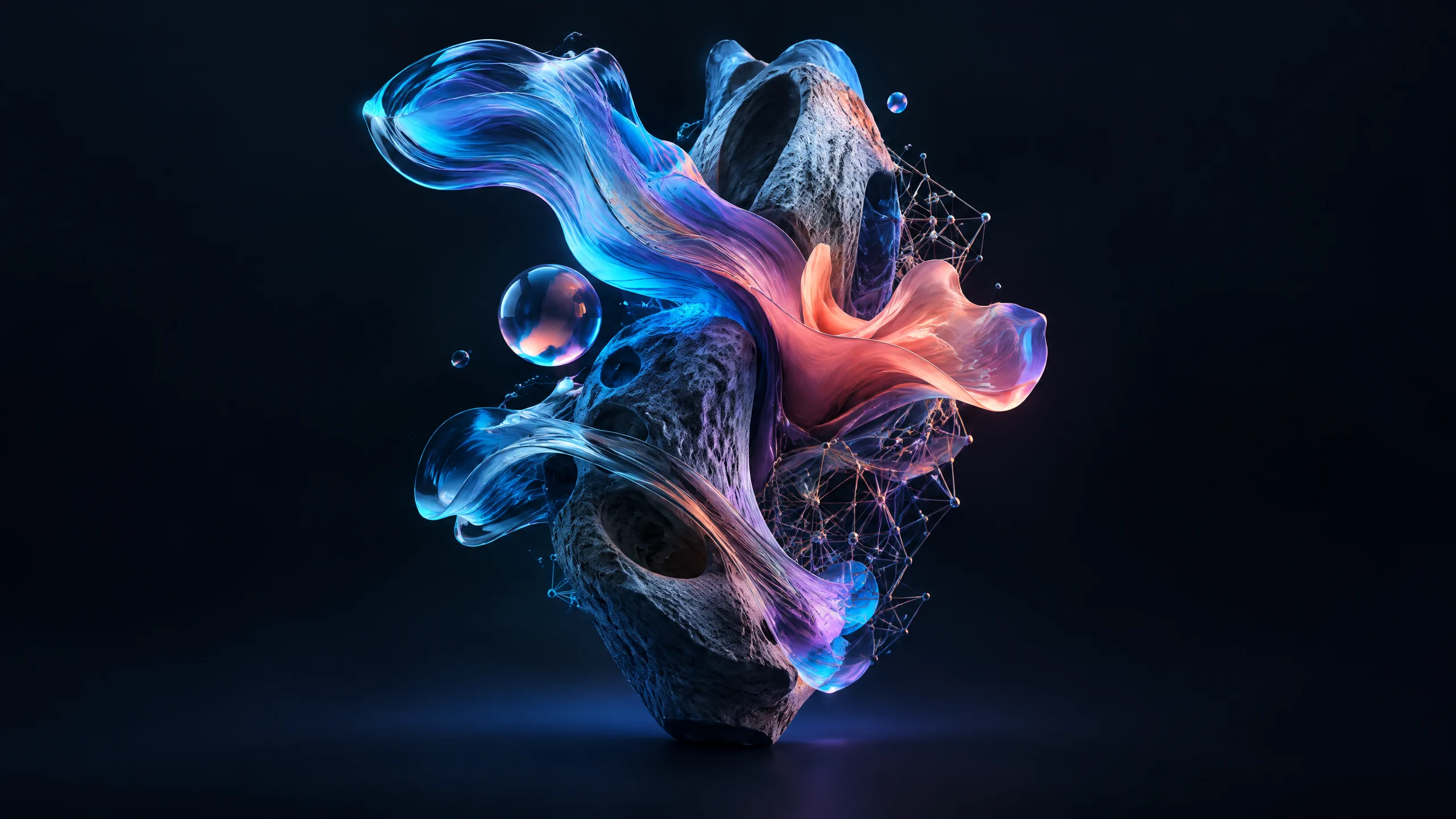
How AI Is Redefining Creativity
Artificial intelligence is no longer just an automation tool: it has become a true creative partner. In the age of digital generation, AI is transforming how we imagine, produce and share artistic content, redefining the boundaries between human creativity and technology.
From Technique to Inspiration
For decades, creativity was considered the preserve of human ingenuity. Today, however, advanced algorithms can analyse vast amounts of cultural data and generate new forms of expression. This is not simply a matter of imitation: AI combines styles, languages and patterns to suggest original solutions. This shift from technique to inspiration opens up new possibilities for artists, designers and storytellers.
A New Creative Language
AI introduces a hybrid creative language. Digital artists collaborate with generative models to explore previously unseen aesthetics, while musicians experiment with melodies co-created using algorithms capable of learning harmonies and rhythms. Creativity thus becomes an ongoing dialogue between human intuition and computational processing.
Impacts on Industry and Culture
The adoption of AI is also revolutionising the creative industries. In marketing, personalised content is produced at scale; in film and video games, complex worlds take shape more quickly. This speeds up production processes, but also raises ethical questions about originality, copyright and the value of creative work.
Creativity Augmented, Not Replaced
Contrary to the most widespread fears, AI does not replace human creativity: it amplifies it. It provides new tools, lowers technical barriers and allows more people to express themselves. In this new era, the real challenge is not to compete with machines, but to learn to collaborate with them and expand the collective creative horizon.
“Creativity is intelligence having fun.”
Did you enjoy this article?